Tips to maintain an old property
Older homes have something that newer ones struggle to replicate. The proportions, the craftsmanship, the sense that the building has weathered a few centuries and come out the other side with its character intact. But that character comes with a maintenance list that is longer, less predictable, and often more expensive than a modern build.
The good news is that most of the work is about routine and awareness rather than crisis management. Here is how to stay on top of it.
Get to know how your home was built
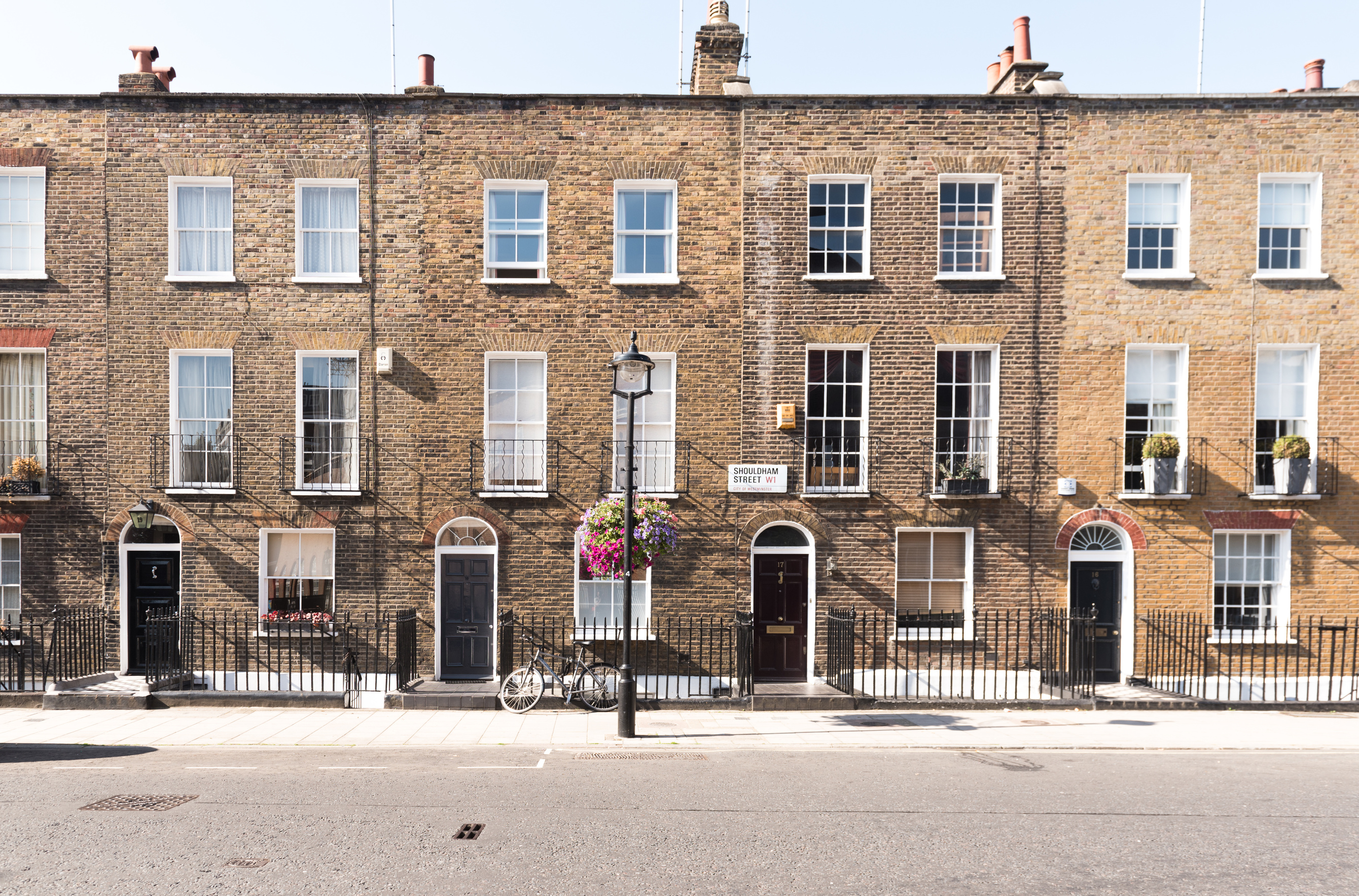
This is the single most useful thing you can do as the owner of an older property. A Georgian townhouse behaves differently to a Victorian terrace, and both are different again to a 1930s semi. The materials, the way the walls breathe, the type of mortar, the roofing, the way water moves through the structure: all of it matters when it comes to maintenance.
Solid-walled properties built before the 1920s were designed to absorb and release moisture. They breathe. Seal them up with modern cement render, plastic paint, or cavity wall insulation and you trap moisture inside, which leads to damp, rot, and far bigger problems down the line.
If you do not already know the basics of how your home was constructed, it is worth finding out. Your local conservation officer can help, and organisations like the Society for the Protection of Ancient Buildings (SPAB) and Historic England publish practical guides for homeowners.
Inspect regularly and catch problems early
Older properties reward attention. A small crack in the render, a missing roof tile, a patch of damp in the corner of a bedroom: left alone, each of these becomes something bigger and more expensive. Caught early, most of them are straightforward to fix.
Make a habit of walking around the outside of your property at least twice a year, once in spring and once in autumn. Look at the roof for slipped or cracked tiles. Check the gutters and downpipes for blockages, leaks, or sagging. Look at the walls for cracks, staining, or bulging render. Check the pointing between the bricks or stonework. Look at the ground around the base of the walls for signs of rising damp or poor drainage.
Inside, keep an eye on the ceilings for staining, the windows for condensation, and the walls for any new cracks. A yearly visit from a specialist to check the electrics, the boiler, and the structure is money well spent.
Repair rather than replace

This is the golden rule for older homes. Original features, whether they are sash windows, floorboards, ceiling cornices, or cast iron radiators, are part of what makes the property special. They are also often better made than their modern replacements.
A draughty sash window, for example, can almost always be repaired, rebalanced, and draught-proofed for less than the cost of a replacement. The result looks right, performs well, and preserves the character of the building. A plastic double-glazed unit in a Georgian opening does none of those things.
The same applies to doors, fireplaces, plasterwork, and joinery. Before you replace anything original, get a quote for repair first. You will usually find it is cheaper, and the result is always better.
Take damp seriously
Damp is the most common issue in older properties, and it is also the most misunderstood. Many of the damp problems in older homes are caused by poor maintenance rather than a fundamental fault with the building. Blocked gutters, cracked render, failed pointing, and insufficient ventilation are responsible for far more damp than rising damp ever is.
Before you call a damp company, call a building surveyor who understands older construction. A surveyor will identify the cause rather than just treating the symptom, and in many cases the fix is simple: clear the gutters, repoint the brickwork with lime mortar, remove the cement render that is trapping moisture, or improve the ventilation.
If you do have genuine rising damp or penetrating damp, it needs addressing properly, but by someone who understands how older buildings work. Modern chemical damp-proof courses are not always the right answer for a pre-Victorian wall.
Look after the roof
The roof is the first line of defence, and in an older property it is often the most expensive thing to repair. Regular inspection is the best way to avoid a surprise. Look for slipped, cracked, or missing tiles. Check the ridge tiles and the flashing around chimneys and junctions. Make sure the valleys and gutters are clear.
Inside, check the loft for daylight coming through, signs of water staining on the timbers, and any evidence of rot or insect damage. A well-maintained roof can last generations. A neglected one can cause damage that costs many times more to fix than the roof repair itself would have.
Be careful with heating and insulation

Older properties are often colder than modern ones, and the temptation is to insulate and draught-proof everything. But how you do it matters. As mentioned above, solid-walled buildings need to breathe. Internal wall insulation can trap moisture if it is not specified correctly. Loft insulation is usually straightforward and effective, but insulating directly against an old roof structure can create condensation problems.
Upgrading your heating system is almost always worthwhile. A modern condensing boiler or a heat pump will run more efficiently than whatever was installed twenty years ago, and underfloor heating works well in older properties where the floors are being relaid. Just make sure any work is done by someone who understands the building.
Secondary glazing, heavy curtains, and proper draught-proofing of doors and windows are often the simplest and most effective ways to make an older property warmer without changing its character.
Know when to call a specialist
General builders are fine for general work, but older properties often need someone with specific experience. Lime plastering, lead work, traditional joinery, structural repairs to timber frames, and work on listed buildings all require specialist knowledge. Using the wrong materials or the wrong technique can do more harm than good.
If your property is listed, you will need listed building consent for any work that affects its character, including internal alterations. Your local conservation officer can advise on what requires consent and what does not, and they are usually happy to talk through your plans before you submit an application.
For unlisted older properties, you have more freedom, but the same principles apply: understand the building, use appropriate materials, and get the right people to do the work.
Enjoy it
Older homes ask more of their owners than newer ones. They creak, they settle, they need attention. But they also give more back. The light through an original sash window, the warmth of a lime-plastered wall, the depth of a reclaimed oak floor: these are things that cannot be manufactured, only maintained. The effort is worth it.
Contact us
Own a period property and thinking about selling? Or searching for a home with character? Get in touch with your local Guild Member for expert advice, or try our free online valuation tool to find out what your home is worth.

The Guild is a UK-wide network of hand-selected independent estate agents across the UK. Whether you are buying, selling, letting, or renting, explore where our Members are.